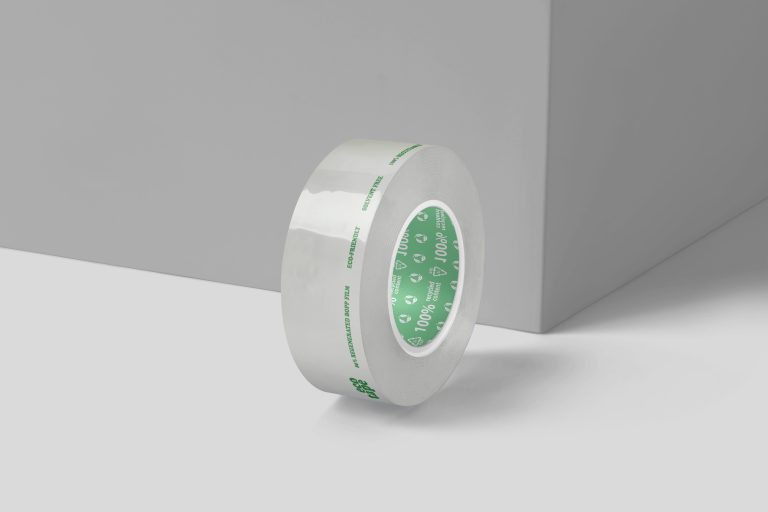

How to choose the right mounting tape: a guide
How to choose the right mounting tape? There are many types of such tapes available on the market, which differ in chemical composition, purpose and technical parameters. Double-sided tapes have an adhesive layer on both surfaces and are designed for attaching elements of low weight, such as graphic materials or decorative elements. They are available in various thicknesses (from 0.1 mm to several millimeters) and widths (from 6 mm to 50 mm), which makes it possible to choose the right parameters for specific applications.
Acrylic tapes are characterized by increased thermal resistance (up to 150°C) and water resistance, making them suitable for indoor and outdoor applications. Foam tapes contain a core of foamed material, which provides vibration damping properties and compensates for surface irregularities of up to 2-3 mm. They are used in areas subject to mechanical vibration and where it is required to fill the gaps between the parts to be joined.
For specialized applications there are tapes with increased chemical and UV resistance (up to 1000 hours of exposure), which retain adhesive properties in harsh environmental conditions. Each type of tape is characterized by specific strength parameters and operating temperature range, which determines the areas of their application.
How to choose the right mounting tape?
- There are many types of mounting tapes to suit different applications and loads.
- For lightweight items, tapes with less adhesive strength and flexibility are best.
- When securing heavier objects, it is important to choose a tape with a high load capacity and the right thickness.
- When choosing a tape, consider the type of substrate, humidity and weather conditions.
- Mounting tapes for outdoor use must be weather and UV resistant.
Which mounting tape is best for attaching lightweight objects?
When attaching lightweight items such as photo frames, posters or wall decorations, double-sided tape is the best choice. These tapes are easy to use and offer a strong connection without the need for tools. It is worth noting their load bearing capacity, which usually ranges from a few to several kilograms, depending on the manufacturer and model.
A well-chosen double-sided tape can hold lightweight objects for a long time, and its use does not leave marks on the surface when removed. Another good solution for holding lightweight items is foam tape. Thanks to its flexibility and ability to fill in irregularities, foam tape provides excellent adhesion to various surfaces. This is especially useful for uneven walls or rough-textured surfaces. Foam tapes are also resistant to moisture, making them suitable for use in rooms with high humidity, such as bathrooms and kitchens.
How to choose the right mounting tape for attaching heavier objects?
Fixing heavier objects requires the use of more durable mounting tapes. In this case, consider using acrylic tape or heavy-duty mounting tape. Acrylic tapes are characterized by high resistance to heat and moisture, which makes them ideal for both indoor and outdoor applications.
For heavier items, such as shelves or large paintings, it is recommended to choose a tape with a load capacity of at least 20 kg. Another option may be fiberglass or composite mounting tapes, which offer exceptional strength and durability. These tapes are often used in the construction industry and in applications requiring high adhesive strength. It is also worth noting how the tape is applied - some models require prior surface preparation or the use of additional supporting materials, such as primers or sealants.
What factors should be considered when choosing a mounting tape for a particular substrate?
The choice of the right mounting tape should depend on the type of substrate on which it is to be applied. Different materials have different properties and adhesive requirements. For example, if you plan to mount objects on smooth surfaces, such as glass or metal, it is worth choosing acrylic or silicone tapes, which provide excellent adhesion.
On the other hand, on porous surfaces such as wood or concrete, foam or double-sided tapes of greater thickness will work better. Another important factor is the temperature and humidity of the environment. Some mounting tapes are designed to work in extreme conditions, while others may lose their adhesive properties in high temperatures or high humidity. Therefore, before making a choice, it is advisable to read the manufacturer's technical specifications and application recommendations for a particular type of tape.
Are there mounting tapes that can be used outdoors?
| Type of mounting tape | Destination | Bonding force (N/cm) | Temperature resistance (°C) | Strip thickness (mm) | Comments |
|---|---|---|---|---|---|
| Double-sided foam tape | Installation of mirrors, panels, moldings | 2,5 – 4,0 | -20 to 80 | 1,0 – 2,0 | Good for uneven surfaces |
| Acrylic tape | Fixing of metal and plastic parts | 4,0 – 6,0 | -40 to 120 | 0,1 – 0,3 | UV and moisture resistant |
| Fiberglass mounting tape | Fastening heavy parts | 6,0 – 8,0 | -30 to 100 | 0,2 – 0,5 | High mechanical strength |
| Foam tape with rubber adhesive | Internal assembly, lightweight components | 1,5 – 3,0 | -10 to 60 | 1,5 – 3,0 | Flexible, good for smooth surfaces |
| Silicone mounting tape | Installation under high temperature conditions | 3,0 – 5,0 | -50 to 250 | 0,2 – 0,4 | Resistant to high temperatures and chemicals |
Yes, there are many types of mounting tapes designed for outdoor use. These tapes are usually made of materials resistant to UV rays and changing weather conditions. Examples include acrylic or butyl tapes, which are highly resistant to moisture and temperature changes.
These tapes are ideal for fixing outdoor items such as gutters, solar panels or garden ornaments. It is also worth noting that some mounting tapes designed for outdoor use have additional properties, such as chemical resistance or high mechanical strength. As a result, they can be used in harsh industrial environments or in areas subject to intensive use.
Before buying, it's a good idea to check the product label and the manufacturer's recommendations for outdoor use.
What are the advantages and disadvantages of different types of mounting tapes?
Each type of mounting tape has its own unique advantages and disadvantages, which are worth considering before making a choice. For example, double-sided tapes are extremely easy to use and do not require additional tools for application. Their main disadvantage, however, is their limited load-bearing capacity - some models can only hold lightweight objects.
Acrylic tapes, on the other hand, offer much greater strength and weather resistance, but their application can be more complicated. Foam tapes have the advantages of flexibility and the ability to fill in surface irregularities for better adhesion. However, their disadvantage may be less resistance to high temperatures compared to other types of tapes.
On the other hand, composite tapes have exceptional durability and resistance to mechanical damage, but their price can be much higher than traditional solutions.
How to store mounting tapes to preserve their adhesive properties?
In order to preserve the adhesive properties of mounting tapes for a long time, attention should be paid to how they are stored. The tapes should be kept in a dry and cool place, away from heat sources and direct sunlight. Extreme temperatures can adversely affect the chemical composition of the adhesive and reduce its effectiveness.
It is also a good idea to avoid storing tapes in areas of high humidity, as this can lead to a weakening of their adhesive properties. It is also good practice to store tapes in their original packaging or special protective containers to prevent damage and contamination. It is also important to avoid contact of the adhesive with other chemicals or materials that may affect its properties.
Regularly checking the expiration date and technical condition of the tapes will help avoid unpleasant surprises during their use.
How to effectively remove mounting tape without damaging the surface?
Removing mounting tape can be a challenge, especially when you want to keep the surface underneath intact. There are several methods to effectively remove the tape without risking damage to the material. The first step is to gently lever the edges of the tape with a plastic tool or fingernail - avoid using sharp objects that can scratch the surface.
If the tape does not want to peel off easily, you can try applying heat - using a hair dryer on low heat can help loosen the adhesive and make it easier to remove the tape. Alternatively, you can use special chemicals designed to remove adhesive residue; however, it is a good idea to test them on a barely visible part of the surface before applying them to ensure their safety.
What are the alternative methods of fixing if the mounting tape is not suitable?
In situations where mounting tape does not meet expectations or is not suitable for the application, there are many alternative methods of fastening. One of the most popular solutions is nails or screws - these traditional methods provide a solid connection and are ideal for attaching heavier objects. For more delicate materials, you might consider using wall plugs or special mounting brackets.
Another alternative may be magnet or clip-based fastening systems - these solutions are particularly useful for decorative elements or temporary installations. It is also worth paying attention to various types of construction adhesives or epoxy resins, which offer exceptional strength and durability of connections.
What are the most common mistakes made when selecting and using mounting tapes?
One of the most common mistakes when choosing mounting tape is not matching the type of tape to a specific application. Many people opt for the cheapest solutions without considering the specifics of the material or environmental conditions. Another common mistake is improper preparation of the surface before application - dirt or moisture can significantly reduce the effectiveness of bonding.
Another problem is improper storage of mounting tapes - keeping them in unsuitable conditions can lead to loss of adhesive properties even before they are used. It is also worth remembering that some tapes have a certain shelf life; ignoring this fact can result in ineffective fastening.
What are the best practices for using mounting tapes to achieve durable and solid connections?
In order to achieve durable and solid joints using mounting tapes, it is worth following a few best practices. First of all, prepare the surface thoroughly - make sure it is clean, dry and free of grease or dust. For difficult surfaces, consider using a cleaner or isopropyl alcohol before application.
The next step is to carefully adjust the length and width of the tape to the object to be fixed
FAQs - How to choose the right mounting tape?
What are the types of mounting tapes available on the market?
Mounting tapes are divided into several types, including double-sided foam tapes, acrylic tapes, tapes with rubber adhesive and specialized tapes for industrial applications. The choice depends on the surface on which they will be applied and the conditions of use.
What to pay attention to when choosing mounting tape?
When choosing a mounting tape, it is worth paying attention to the load-bearing capacity of the adhesive, the type of surface on which the tape will be applied, weather resistance, operating temperature and the thickness of the tape.
How to choose the right mounting tape for different surfaces?
For smooth and clean surfaces, such as glass or metal, acrylic tapes will work best. For uneven or porous surfaces, such as wood or plaster, foam tapes, which better adapt to the structure of the substrate, will be better.
Is the mounting tape suitable for outdoor use?
Yes, there are mounting tapes specifically designed for outdoor use that are resistant to moisture, UV radiation and varying temperatures. It is important to check the product specifications before buying.
How to prepare the surface before applying mounting tape?
The surface should be clean, dry and degreased. It is recommended to wipe it with isopropyl alcohol or other cleaning agent to ensure maximum adhesion of the tape.
How long does it take for the mounting tape to set?
The setting time depends on the type of tape and environmental conditions, but usually full adhesive strength is achieved 24 to 72 hours after application.
Can mounting tape replace traditional fastening methods such as screws or nails?
Mounting tapes are an excellent solution for light to medium loads and where mechanical fasteners cannot be used. However, for heavy structures or components subjected to high mechanical forces, traditional fastening methods will be better.
How to remove mounting tape without damaging the surface?
Removal of mounting tape is best done slowly, heating it with a hair dryer, which will soften the adhesive. For difficult residues, you can use special adhesive removers or isopropyl alcohol.